
AC Maintenance Tips: The Dos and Don’ts of Maintaining Your AC Unit
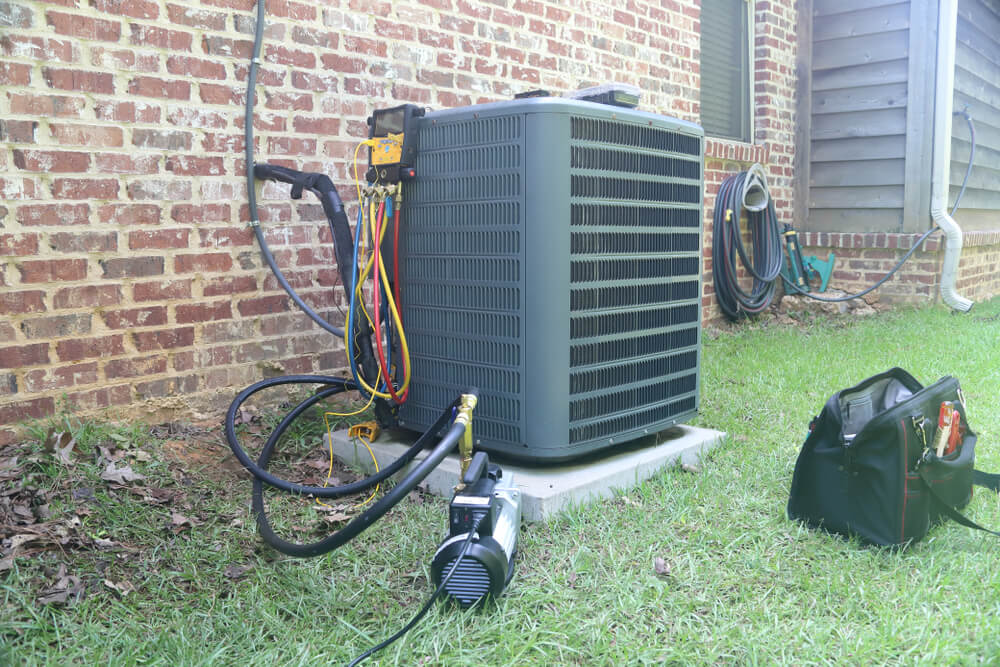
The AC maintenance tips that matter most are simple: check the air filter every month, keep the outdoor unit clear and clean, keep the condensate drain flowing, use the thermostat to cut runtime, and book a professional tune-up every spring. The don’ts matter just as much, because a few common DIY moves do more harm than good.
Central Texas air conditioners work hard. National Weather Service normals for Austin’s Camp Mabry station show about 123 days a year at 90°F or hotter, so a system in Buda or Kyle racks up far more runtime than one up north. Small habits add up over that many hot days.
Below are the dos and don’ts of air conditioner maintenance, split between what you can safely handle at home and what belongs to a professional AC technician.
Do check the air filter every month
Checking the air filter every month is the single most useful AC maintenance habit. ENERGY STAR recommends checking it monthly, changing it whenever it looks dirty, and changing it at least every 3 months. A clean filter keeps air moving across the coil, which is how the system cools your home without straining. A clogged one makes the blower work harder, starves the coil of air and can even lead to ice on the lines.
The payoff is real. The U.S. Department of Energy says replacing or cleaning a dirty filter can lower an air conditioner’s energy consumption by 5 to 15 percent (DOE, Home Cooling 101). In a Central Texas summer, with pets, pollen and construction dust from new Hays County subdivisions, many filters need changing closer to monthly than quarterly.
Write the date on the filter frame when you put it in. If you’re unsure about sizes, MERV ratings or reusable filters, our air filter FAQ covers the common questions.
Do keep the outdoor unit clear and clean
The outdoor unit, or condenser, releases the heat pulled out of your house, and it can only do that with open airflow around its coil. Keep leaves, grass clippings, mulch and overgrown shrubs away from all sides. DOE recommends clearing debris from the fan, compressor and condenser on split systems.
To rinse the coil, turn the power off first at the thermostat and the outdoor disconnect or breaker. Then use a garden hose on a gentle setting to wash dirt, pollen and grass off the fins. Gentle water pressure is the rule, because the aluminum fins bend easily, and bent fins block airflow. DOE notes that a fin comb can straighten bent fins.
You don’t need soap, harsh chemicals or a pressure washer, and you never need to open the cabinet.
Do keep the condensate drain flowing
The condensate drain carries away the water your air conditioning system pulls out of humid indoor air, and a clogged drain is one of the most common reasons a system shuts off or leaks. ENERGY STAR notes that a plugged drain can cause water damage in the house and affect indoor humidity levels.
Find where the drain line ends outside, usually a short pipe near the foundation, and make sure it drips during hot, muggy weather. DOE suggests occasionally passing a stiff wire through the unit’s drain channels to prevent clogs. If you see water in the secondary pan under an attic unit, or a ceiling stain below it, treat it as a warning, not a nuisance.
Do let the thermostat do some of the work
The thermostat controls how long your AC runs, so smart settings are an easy maintenance win. DOE says a programmable thermostat could save up to 10 percent a year on heating and cooling costs. Raising the setting while you’re away gives the equipment a break during the hottest part of the day.
Ceiling fans help too. DOE notes that fans let you raise the thermostat about 4 degrees without hurting comfort. Remember that fans cool people, not rooms, so turn them off when you leave. If your thermostat is blank, slow to respond or reads the wrong temperature, a thermostat repair visit is often cheaper than chasing comfort problems elsewhere.
The don’ts: jobs to leave to a licensed tech
Some AC maintenance jobs look simple but carry real risk to you or the equipment. Oiling the fan motor is a good example: leave it alone, since many modern motors are sealed and oil in the wrong place attracts dirt. Here’s what to skip:
- Don’t add refrigerant. The EPA says technicians who service this equipment need Section 608 certification, and it asks homeowners to have leaks found and repaired instead of topped off.
- Don’t open electrical panels or touch capacitors. Capacitors hold a charge even with the power off.
- Don’t pressure wash the coil or spray straight into the electrical box.
- Don’t ignore warning signs. Warm air, ice on the lines or a unit that hums without spinning won’t fix themselves.
If you’re not sure whether a symptom is serious, our guide to the signs your AC is broken walks through what each one means.
Do schedule a professional AC tune-up every spring
A yearly professional tune-up covers the maintenance homeowners can’t safely do themselves, and spring is the best time for the cooling side. ENERGY STAR recommends annual pre-season checkups and notes that contractors get busy once summer arrives, so it’s best to check the cooling system in spring. For the heating side, use our fall HVAC tune-up checklist.
According to the ENERGY STAR maintenance checklist, a professional visit should include checking thermostat settings, tightening electrical connections and measuring voltage and current on motors, lubricating moving parts, inspecting the condensate drain, cleaning the coils and checking the refrigerant level. It also covers blower airflow, since airflow problems can cut efficiency by up to 15 percent. Our HVAC maintenance service follows the same idea: find the small problems in April instead of meeting them in August.
A good maintenance visit covers both halves of the AC system: the indoor coil, blower and drain, plus the outdoor condenser and its electrical parts. Checking refrigerant levels is part of it, and if they’re low, the right next step is finding the leak rather than simply adding more. Regular visits also give the technician a baseline, so changes from one year to the next stand out.
ENERGY STAR also recommends having equipment evaluated by a professional once it’s more than 10 years old. A tune-up is a good time for that conversation If a new system is on the table, we compare heat pumps and gas furnaces for Central Texas homes., because you get an honest read on the system’s condition before peak season.
AC maintenance questions from Buda and Kyle homeowners
What regular maintenance should be done on an air conditioner?
Homeowners should check the air filter monthly, keep the outdoor unit clear of debris, rinse the coil gently once or twice a season and make sure the condensate drain flows. A licensed technician should handle the yearly tune-up, which covers electrical connections, refrigerant level, coil cleaning, the blower and the drain. Those two layers together cover what ENERGY STAR recommends.
How often should an AC be serviced in Central Texas?
Once a year for the cooling side, ideally in spring before the heat sets in. ENERGY STAR recommends annual pre-season checkups. Central Texas systems run many more hours than systems in milder climates, so skipping a year shows up faster here. If you also have a furnace or heat pump, a fall heating check is worth adding.
How do I maintain my outside AC unit?
Keep plants, leaves and grass clippings away from all sides, and don’t stack anything against or on top of the unit. Turn the power off before rinsing the coil with a garden hose on a gentle setting. Skip pressure washers, which bend the fins. Leave anything inside the cabinet, including the fan motor and capacitor, to a technician.
Should I keep my AC running all day?
In a Central Texas summer, keep it running but let the temperature rise while you’re away instead of shutting the system off completely. DOE says a programmable thermostat can save up to 10 percent a year on heating and cooling. Shutting it off entirely in July lets heat and humidity build up indoors, which is hard on comfort, pets and wood floors.
Can I do all AC maintenance myself?
No. Filters, clearing the outdoor unit, gentle coil rinsing and checking the drain are safe homeowner jobs. Refrigerant work requires an EPA-certified technician, and electrical parts like capacitors can hold a dangerous charge. DOE’s guidance is to hire a certified professional when the unit needs more than basic maintenance, which is what the yearly tune-up is for.
Ready to get your AC checked before next summer? Call Cool Kings Heating & Air at (512) 318-7212 or request service online. Terry and Corey Lutrick, the father-son team who started Cool Kings in Buda in 2015, offer same-day appointments across Buda, Kyle and the Austin area. Learn more about AC tune-ups and maintenance with our team.
Get a Quote
From Our Blog